
A guest post by Alexander Monderkamp, weSystems
A logo on a T-shirt and what it stands for
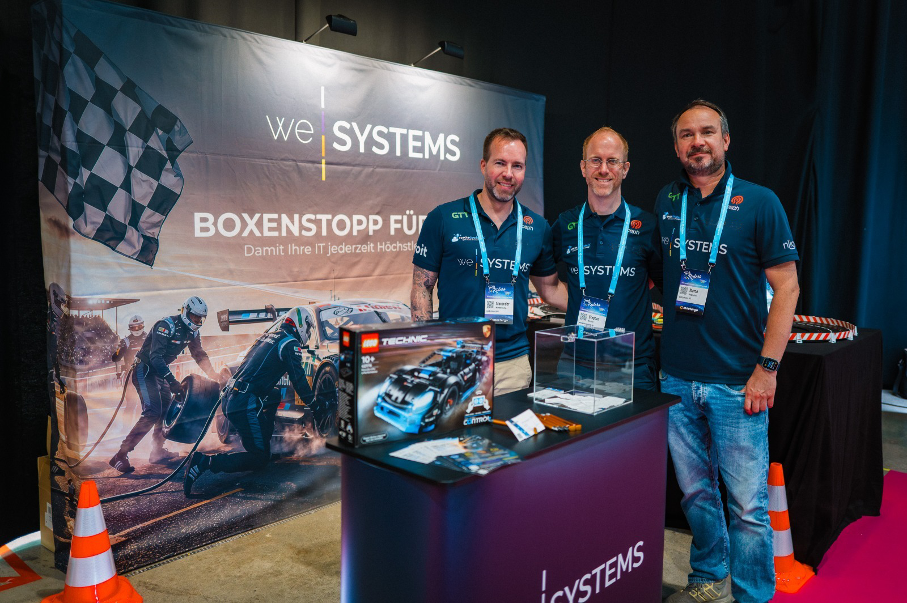
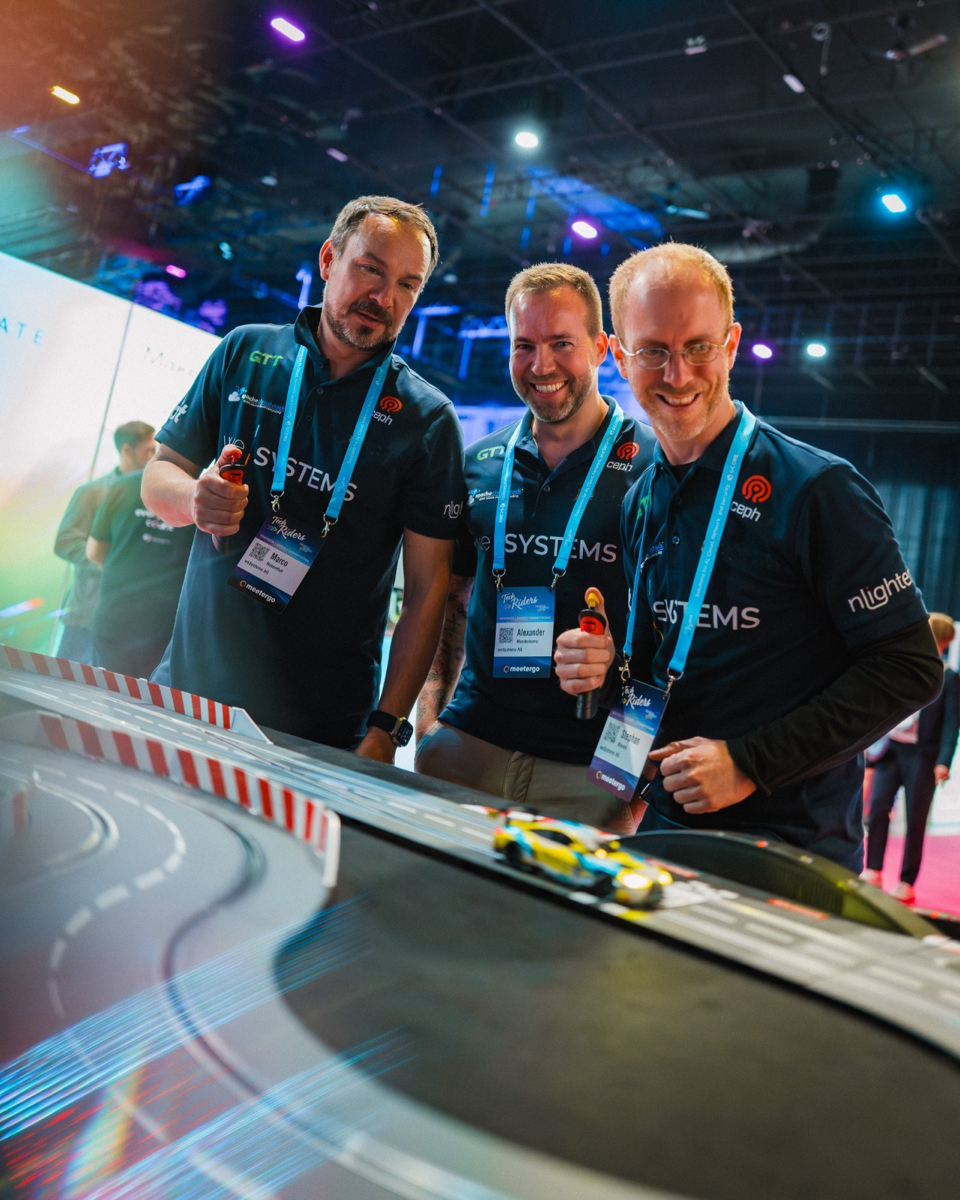
At this year's TechRiders Festival in Hürth, Germany, three people walked around a tech event in polo shirts carrying the Apache CloudStack logo. Not as a statement. Not as a marketing move. Simply because it is part of who they are and what they do every day.
But why does a managed services provider and cloud operator wear open source on its sleeve, literally and professionally? The answer starts with a technology decision weSystems made years ago and have never had reason to revisit. Read their full story and engagement with the CloudStack project in their own words below!
How weSystems got there?
weSystems is an IT infrastructure and managed services provider based in Germany. We build and operate infrastructure for mid-sized and larger companies, running our own cloud out of certified German data centers. When we set out to build that cloud, we had a fundamental question to answer: which technology do we trust to run it?
We chose Apache CloudStack. Not because it was the most talked-about option at the time, but because it was the right one for what we needed to build. That was several years ago. The decision has held up ever since.
The thing that actually matters: multi-tenancy done right
There are many things to appreciate about Apache CloudStack, but if we had to name the single most important reason it powers our cloud, it would be its multi-tenancy architecture.
We operate infrastructure for multiple customers simultaneously. Those customers must never see each other, interfere with each other or share resources in ways they have not explicitly agreed to. In a managed cloud environment, that isolation is not a nice-to-have. It is the foundation on which trust is built.
CloudStack handles this elegantly. Each customer operates within a fully isolated environment. The boundaries are real, not cosmetic. And the overhead of managing those boundaries does not fall on us in ways that would make the whole operation brittle or expensive to run.
This is worth saying explicitly because not every platform gets this right. Some alternatives that often come up in conversations, including Proxmox, are excellent tools for certain use cases but were not designed with true multi-tenancy in mind. Running multiple isolated customer environments on them requires workarounds that introduce complexity and risk. With CloudStack, multi-tenancy is not a workaround. It is built into the architecture.
Open source as infrastructure philosophy
Beyond the technical capabilities, there is something else that matters to us about Apache CloudStack, and it connects to a conversation that is increasingly relevant in the European IT landscape.
Digital sovereignty is not only about where your data is stored. It is also about which software runs your infrastructure and who controls its future. Proprietary platforms come with roadmaps you cannot influence, licensing models that can change and dependencies that are difficult to exit. Open source turns that equation around.
With Apache CloudStack, we can read the code, understand exactly what it does, contribute to its development and adapt it where our customers' needs require it. We are not dependent on a single vendor's decisions about which features get built or which customers get priority support. The community decides together, and the code is transparent.
For a company that has built its reputation on being a trustworthy, independent partner rather than a product reseller, that philosophy resonates deeply. We tell our customers they should avoid infrastructure decisions that leave them locked in and unable to change course. It would be inconsistent to build our own cloud on a foundation that does exactly that.
What we have learned over the years
Running Apache CloudStack in production for multiple customers over many years has given us a level of familiarity with the platform that goes beyond documentation. We have learned where it excels, where it requires care and where the community's collective knowledge is the most valuable resource available.
We have also learned that the knowledge concentrated in the CloudStack community is genuinely rare. The people who work with this platform seriously tend to understand infrastructure at a depth that broader cloud conversations often skip past. That is part of why events and community touchpoints matter, and part of why we show up to a motorsport-themed tech festival with the logo on our shirts.
Why we think more companies should know about this
Apache CloudStack rarely gets the marketing budget that some of its alternatives enjoy. It does not have a large commercial entity pushing it into every conference keynote. What it has is a community of operators who have chosen it because it solves real problems well.
For European companies thinking carefully about their infrastructure choices, particularly those who care about sovereignty, auditability and avoiding lock-in, it deserves far more attention than it typically gets. The technology is mature, the architecture is sound and the community is the kind that answers real questions with real experience.
We are glad to be part of it. And we will keep wearing the logo.
About weSystems
weSystems is an IT infrastructure and managed services provider operating their own German cloud in certified German data centers. They build, operate and support infrastructure for mid-sized and enterprise customers who value reliability, independence and a partner that picks up the phone.